Vaccines Arm Us for Respiratory Virus Season
Author

Todd Ellerin, MD, Director of Infectious Disease
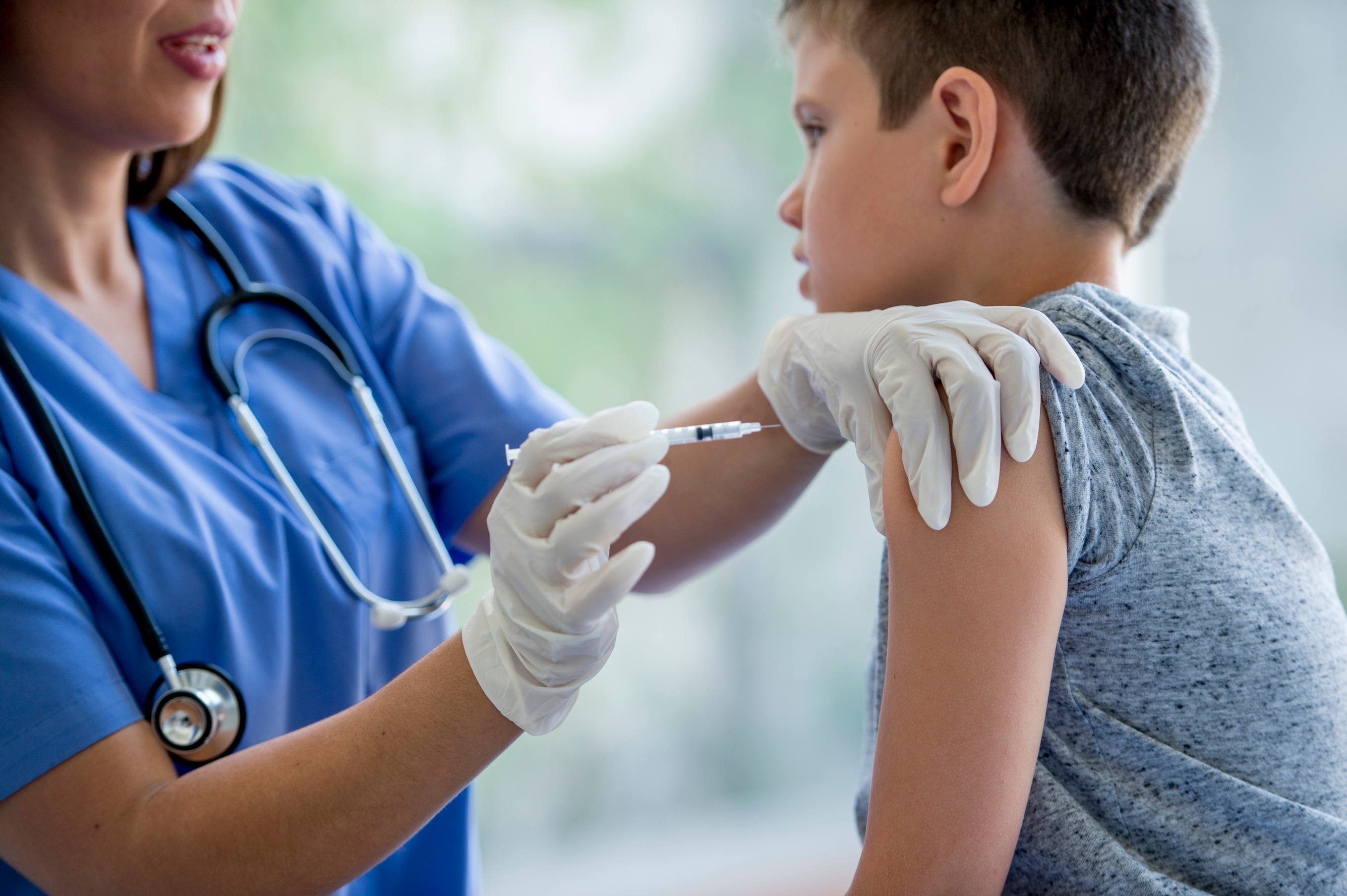
Respiratory virus season is on the way and illnesses like influenza, COVID-19, Respiratory Syncytial Virus (RSV) and pneumonia will be widely circulating again.
Vaccines continue to be our best defense against severe illness from these viruses, said Todd Ellerin, MD, Director of Infectious Disease and Vice Chair of Medicine at South Shore Health.
Dr. Ellerin offers provides updated vaccine guidance and shares preventative measures that can help keep you and your family well this season.
(A note on this season's guidance: Federal vaccine recommendations have become more fragmented and in some cases divergent from those of professional medical societies such as the American Academy of Pediatrics (AAP), the American College of Obstetricians and Gynecologists (ACOG), and the American Academy of Family Physicians (AAFP). The guidance below reflects the most recent published recommendations. Talk with your provider about what is right for you and your family.)
First mRNA flu shot making its debut this fall
The CDC recommends all individuals 6 months and older receive a flu vaccine annually and this year there is a new option for adults over age 50.
In August, the FDA approved mFlusiva the first mRNA seasonal flu vaccine by Moderna. Late-stage trials showed mFlusiva to be about 27% more effective at preventing flu infection than a standard dose flu shot for adults 50 to 64. And because mRNA vaccines can be manufactured faster than traditional egg or cell-based vaccines, they may more closely match the the flu strains circulating each season. mFlusiva is expected to be available at pharmacies and clinics over the course of the 2026-27 season, but supplies maybe limited initially.

All three strains in this year's standard flu vaccine have been updated, including a change targeting the H3N2 subclade K strain that circulated widely and caused last season's severity. This year's flu shot is trivalent guarding against two influenza A strains and an influenza B/Victoria strain.
Influenza vaccination is particularly important for high-risk groups – including older adults and very young children, immunocompromised individuals, pregnant women, and anyone with chronic conditions such as lung, heart, kidney, or liver disease, obesity, or diabetes.
Patients age 65 or older should ask for the high dose influenza vaccine or adjuvant influenza vaccine, which helps create a stronger immune response in those vaccinated.
COVID-19 vaccine recommendations
COVID-19 vaccine guidance has shifted from a universal recommendation to one built around shared decision-making between patients and their providers, and specific age- and risk-based guidance.
The Massachusetts Department of Public Health (DPH), working with regional public health partners and groups including the AAP, ACOG and AAFP, has offered the following guidance for the 2026-27 respiratory virus season:
- Healthy adults ages 19 to 64 can receive one dose of the COVID-19 vaccine.
- Adults ages 19 to 64 with medical conditions that put them at risk for severe illness from COVID-19, or those who live with people at high risk, should receive one dose of the vaccine.
- People who are pregnant, were recently pregnant or lactating, and those planning pregnancy should receive one dose of the COVID-19 vaccine.
- Adults 65 and older and adults who are immunocompromised should receive two doses of the COVID-19 vaccine, 6 months apart.
- All children ages 6 to 23 months should receive a COVID-19 vaccine.
- Healthy children ages 2 to 18 who have never received a COVID-19 vaccine should receive one dose.
- Children ages 2 to 18 with medical conditions that increase the risk for severe illness, and those who live with people at high risk should receive one dose.
- Healthy children 2 to 18 years old previously vaccinated for COVID-19, can receive one dose.
This season's updated COVID-19 vaccine targets the JN.1-lineage XFG variant, which better matches currently circulating strains. Because eligibility can depend on your age, health history, and where you live, check with your provider or pharmacist about which dose and formulation is appropriate for you.
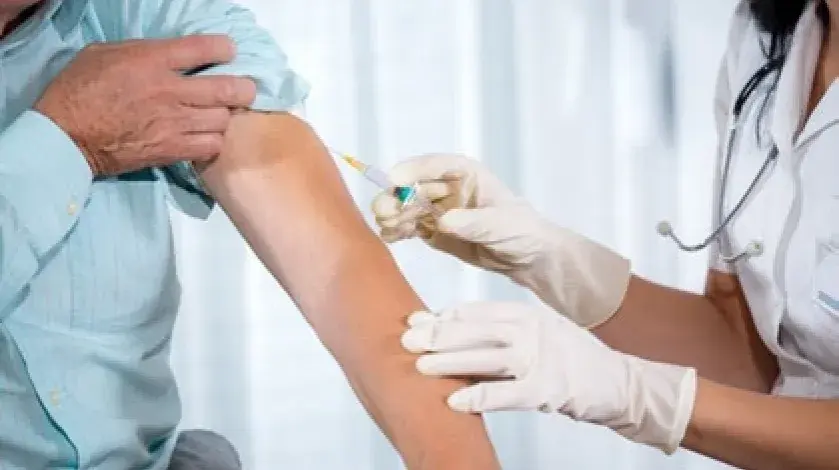
Who should receive an RSV vaccine
RSV vaccine guidance has expanded this year. The CDC recommends a single dose of RSV vaccine for:
- All adults 75 and older
- Adults ages 60–74 with chronic medical conditions that put them at risk of severe illness from RSV
- Adults ages 50–59 who are at increased risk of severe RSV disease due to underlying conditions — a newly expanded recommendation
Individuals with cardiovascular disease (heart failure, coronary artery disease), lung/respiratory disease (COPD and asthma), chronic liver disease/cirrhosis, chronic kidney disease or diabetes, should receive the RSV vaccine.
Women who are in the third trimester of pregnancy (32-36 weeks) during RSV season should receive a one-time dose of the RSV vaccine to reduce the risk of severe illness in their infants. Only one of the adult RSV vaccines – Abrysvo – is recommended during pregnancy.
Babies born during the RSV season, whose mothers have not received the RSV vaccine during late pregnancy, should receive a single dose of an intramuscular monoclonal antibody – Beyfortus or Enflonsia – which are effective at reducing severe RSV illness in infants.
Unlike influenza and COVID-19 vaccines, the RSV vaccine is not an annual shot; it’s a one-time dose. If you have already received an RSV vaccine, you do not need another one this season.
Pneumococcal vaccine recommendations
Pneumococcus, also known as strep pneumonia is the most common cause of bacterial pneumonia, an illness that can be deadly for young children, and older adults – particularly those with chronic health conditions or compromised immunity.
More invasive forms of pneumococcal disease can lead to serious illnesses such as meningitis, an inflammation of the lining of brain and bloodstream infections like sepsis.
The CDC recommends pneumococcal vaccination for children younger than 5 years old and adults 50 years or older.
Healthy adults usually only require one dose of the pneumococcal vaccine for long-term protection, although immunocompromised individuals may need additional doses of the vaccine.
Where to get vaccines
Influenza, COVID-19, RSV and pneumococcal vaccines are widely available at retail pharmacies, including CVS and Walgreens.
South Shore Medical Center administers the following vaccines:
- Influenza vaccines for pediatric and adult patients (See our fall flu clinic schedule)
- COVID-19 vaccines for pediatric patients ages 6 months to 11 years old
- Pneumococcal vaccines (Prevnar) for pediatric patients and for adult patients over 50 years old.
- RSV vaccines (Abrysvo) for obstetric patients (32-36 weeks gestation) and Beyfortus for infants 0-8 months and children 8-19 months at high risk entering their second RSV season.
SSMC patients can request available vaccines during an upcoming appointment or by scheduling a nurse visit through South Shore Health MyChart or calling 781-878-5200.
Additional strategies to stay healthy this season
While vaccines provide the best protection against severe respiratory illness, other preventative steps you can take include:
- Washing your hands frequently
- Disinfecting high-touch areas in your home
- Covering your coughs and sneezes
- Staying home when you’re sick until you are fever free
- Wearing a mask
- Improving indoor ventilation
Learn more about preventing respiratory illnesses on the CDC website.
Todd Ellerin, MD is Director of Infectious Disease and Vice Chair of Medicine at South Shore Health.
Author
Todd Ellerin, MD, Director of Infectious Disease