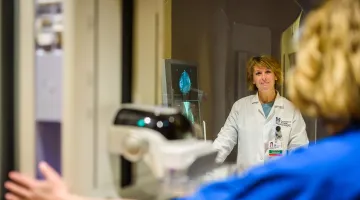
Ko Un Clara Park, MD, a breast surgical oncologist at the Dana-Farber Brigham Cancer Center at South Shore Health answers questions about risk factors, symptoms and the advancements in detection and treatment changing the course of breast cancer care.
Respiratory virus season is on the way and illnesses like influenza, COVID-19, Respiratory Syncytial Virus (RSV) and pneumonia will soon be circulating again. Todd Ellerin, MD provides updated vaccine guidance and shares other preventative steps you can take to stay well this season.
Gynecologic Cancer Awareness: Screening and Early Detection Saves Lives
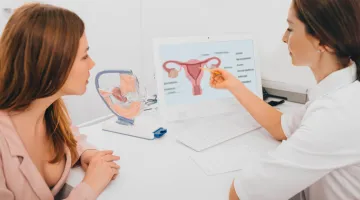
September is Gynecologic Cancer Awareness Month, a good time to shine a light on the disease and the importance of routine screening and early detection. Katelyn McGovern Dorney, MD, answers questions about gynecologic cancer screening and prevention.
Why Falling Back into a Routine is Good for Your Health
Did you spend the summer traveling, entertaining friends or trying to squeeze as much out of the longer days as possible? You may be ready to get back to a routine for fall. The word routine has a bit of a bad reputation. It can sound boring or predictable. But the truth is, a routine is actually good for us.
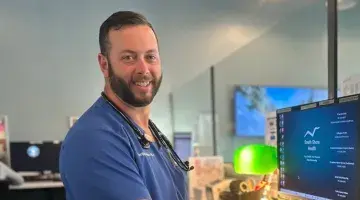
South Shore Health Urgent Care provider Benjamin Hixon, PA-C is in our Provider Spotlight! Hixon, who sees patients in South Shore Health Urgent Care's Kingston and Plymouth offices, explains how being part of South Shore Health benefits patients and providers.
How to Beat Extreme Heat and Stay Healthy This Summer
July is the hottest month of the year in Massachusetts. According to the Centers for Disease Control and Prevention, extreme heat is the leading weather-related cause of death in the U.S., killing more than 700 people every year.
Getting too little sleep is a big problem in the U.S. According to the CDC, one third of adults report they get less than the recommended 7-8 hours of sleep each day, and insufficient sleep has been tied to several chronic health conditions — including type 2 diabetes, obesity, heart disease, and depression.
Declining muscle mass and a variety of medical conditions can contribute to a loss of balance as we age, making us more vulnerable to falls and injury. But there are things you can do to maintain and even build better balance. Community Exercise Program Manager Jennifer Logan offers these tips.
First Colonoscopy? Here are the Steps to Prep and What to Expect
Your primary care provider has recommended you have your first colonoscopy. Mandeep Saund, MD answers frequently asked questions and explains why colorectal screening is so important for the prevention and early detection of cancer.