First Colonoscopy? Here are the Steps to Prep and What to Expect
Author
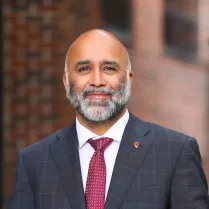
Mandeep Saund, MD
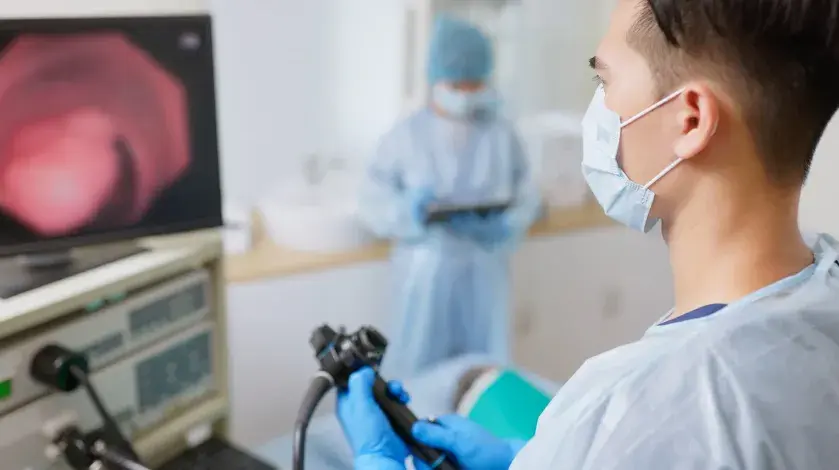
It’s time. Your primary care provider has recommended you have your first screening colonoscopy.
Family members, friends, or coworkers who have had the procedure may have shared some of their experience, but you still have questions about how to prepare for and what to expect during your colonoscopy.
Mandeep Saund, MD, Medical Director of the Multispecialty Clinic and a colorectal surgeon at the Dana-Farber Brigham Cancer Center at South Shore Health, answers frequently asked questions and explains why colorectal screening is so important for the prevention and early detection of cancer.
At what age should colorectal cancer screening begin?
For average-risk adults, colorectal cancer screening should begin at age 45 and continue through age 75 for individuals in good health. Screening for people over age 75, should be based on overall health, prior screening history, and patient preference.
For individuals at an increased risk due to family history of colorectal cancer, screening should begin at age 40 or 10 years before the age of diagnosis of the youngest affected relative – whichever comes first.
Colonoscopy is the preferred screening method for increased-risk individuals and is typically repeated every five years.
What is a colonoscopy and how is it performed?
Colonoscopy is an endoscopic procedure that examines the inside of the colon and rectum using a flexible, lighted tube with a camera (colonoscope), which is inserted through the rectum and guided through the large intestine, while sending images back to a monitor.
Colonoscopy is the most comprehensive method for colorectal cancer screening because it allows for the detection and removal of polyps and tissue sampling during the same procedure.
Colonoscopy is a valuable cancer prevention tool, as it allows for the removal of polyps before they can become cancer or detects cancer at an earlier stage when it is easier to treat.
Are there alternatives to colonoscopy for colorectal screening? How do I know which type of testing is right for me?
Yes, there are alternatives for colorectal cancer screening, including stool-based tests (like Cologuard), blood-based tests, and other direct visualization methods.
Your provider will recommend the screening method that is right for you based on your risk factors and preferences.
It's important to remember that a positive result for an alternative colorectal screening test needs to be followed up with a colonoscopy as soon as possible, and no later than within nine months.
If the colonoscopy after a positive test is negative, patients can return to average-risk screening intervals beginning at 10 years.
How do I prepare for a colonoscopy?
Prior to having colonoscopy, patients need to empty the colon with a bowel cleaning preparation so the intestinal and rectal lining can be clearly seen during the exam. Proper bowel preparation is critical for accuracy.
Colonoscopy prep typically begins one day before the procedure, though patients may have to adjust or stop taking some medications (aspirin, anticoagulants, iron supplements) and refrain from eating certain high fiber foods (raw fruits and vegetables, nuts, seeds, and whole grains) several days before their appointment.
On the day before the procedure, patients should consume only clear liquids including water, tea or coffee without milk or cream, apple juice, broth, and clear carbonated beverages such as Sprite or ginger ale. Jell-O and sports drinks like Gatorade may also be consumed, but not the red or purple varieties.
Bowel cleansing using liquid laxatives (Miralax) or saline laxatives (magnesium citrate) should begin the evening before your colonoscopy. Many patients receive a split-dose of the preparation, taking half the night before and the remainder the next morning – 4 to 5 hours before the procedure.
Patients should stopped drinking all liquids 3 to 4 hours before their colonoscopy appointment.
What can I expect the day of my colonoscopy?
Patients typically receive intravenous sedation to prevent any pain or discomfort. While they may remain awake, patients often cannot recall the examination.
During the procedure, a colonoscope is inserted into the rectum and guided through the large intestine. Air is used to inflate the colon for better visualization.
If abnormalities, such as polyps, are found, specialized instruments passed through the colonoscope are used to remove them and take tissue samples for pathology.
For most patients, a colonoscopy is a 30-minute procedure, with a recovery time of 1 to 2 hours. Mild cramping, bloating, and gas are common following colonoscopy. Due to the sedation, patients cannot drive and should arrange a ride home after the procedure.
When will I have results from my colonoscopy?
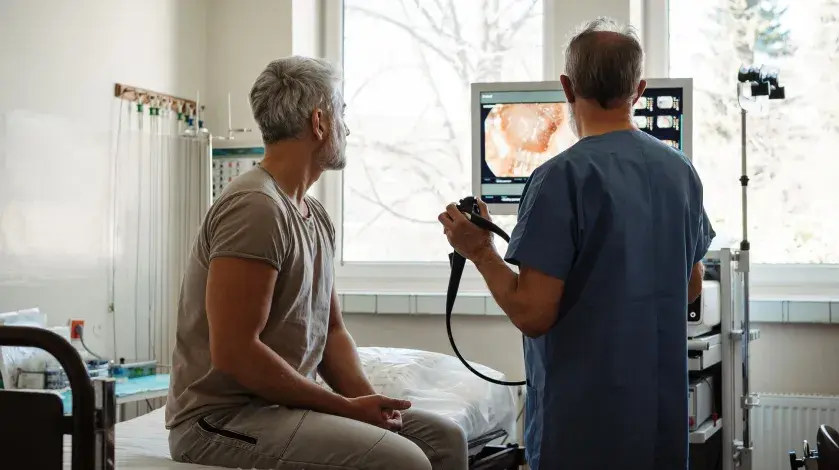
Preliminary visual findings are typically available immediately after the colonoscopy, as your provider can discuss what was seen during the procedure. Final pathology results from any biopsies or polyps removed are usually available in 3-5 days.
A negative colonoscopy result means that no polyps or tissue changes were found; a positive result indicates polyps or tissue changes were detected, and may require follow-up.
When will I need another colonoscopy?
The timing of repeat colonoscopy depends on the results of the initial examination and individual risk factors.
Patients with normal/negative colonoscopy results (no polyps removed) should have a repeat screening in 10 years.
Patients who have more than two polyps removed or a polyp larger than a centimeter in size removed may need another colonoscopy sooner (3-5 years).
If laboratory testing of polyps shows features tied to higher risk of future cancer or if a cancerous polyp was detected, more frequent screenings will be recommended.
Shorter intervals for colonoscopy are also recommended for patients with inadequate bowel preparation (repeat within one year) and patients with a family history or other risk factors for colorectal cancer (5-year intervals.)
Mandeep S Saund, MD is Medical Director of the Multispecialty Clinic and a colorectal surgeon at the Dana-Farber Brigham Cancer Center at South Shore Health. Learn more about colorectal cancer care at South Shore Health.
Author
Mandeep Saund, MD