What You Need to Know About Alpha-gal Syndrome
Author

Todd Ellerin, MD, Director of Infectious Disease
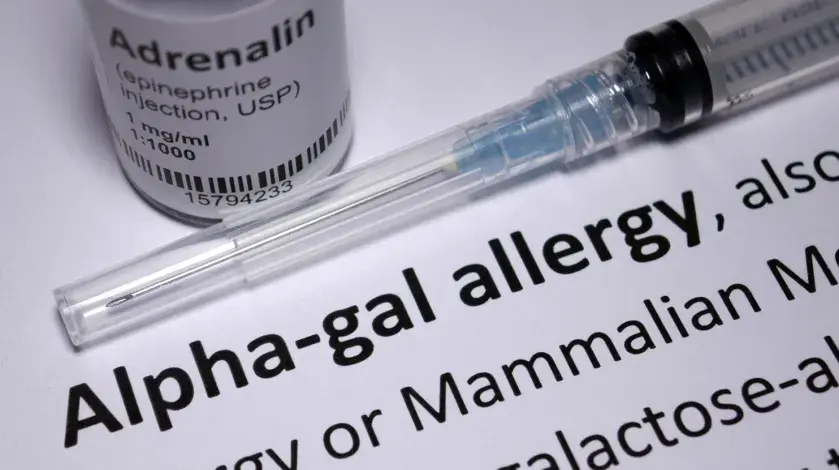
May is Lyme and Tick-borne Illness Awareness Month, a time to highlight the importance of preventing tick bites to guard against the viruses, bacteria, and parasites ticks carry and can transmit.
While most people have heard of Lyme disease, alpha-gal syndrome (AGS) is a lesser-known tick-borne condition that is becoming more prevalent in the region.
Also known as alpha-gal allergy or red meat allergy, AGS is an allergic reaction to red meat, dairy, and other animal products containing alpha-gal that can develop after being bitten by a lone star tick.
While it most commonly occurs in the southern, south-central and eastern U.S., AGS cases are increasing in Massachusetts, particularly on Cape Cod, Nantucket, and Martha’s Vineyard, where lone star ticks have expanded and become established.
AGS is now considered an “emerging health concern” in Massachusetts and as of April 1, healthcare providers are required to report cases to the state Department of Public Health (DPH).
To learn more about AGS, we asked Todd Ellerin, MD, Director of Infectious Disease and Vice Chair of Medicine at South Shore Health, about symptoms, diagnosing and managing the condition, and tick bite prevention.
What is alpha-gal syndrome and how common is it?
Alpha-gal syndrome is a serious and potentially life-threatening allergy to the alpha-gal sugar molecule found in most mammalian meats, including beef, pork, lamb, venison, and rabbit, as well as products derived from mammalian meat.
People who have alpha-gal syndrome can experience allergic reactions (such as hives, anaphylaxis, gastrointestinal symptoms, or respiratory distress) after eating red meat or exposure to products containing alpha-gal.
Because alpha-gal cases are not nationally reported, it is unknown how many people are affected, but according to the Centers for Disease Control and Prevention (CDC), as many as 450,000 in the U.S. may have the condition.
In Massachusetts, where lone star tick populations are burgeoning on Cape Cod, Nantucket, and especially Martha’s Vineyard, alpha-gal syndrome cases have risen dramatically in the last five years, increasing from two positive tests reported in 2020, to nearly 750 in 2025.
In response to the rising case numbers and the anticipated spread of the lone star tick, the DPH has begun statewide tracking of AGS.
What causes alpha-gal syndrome?
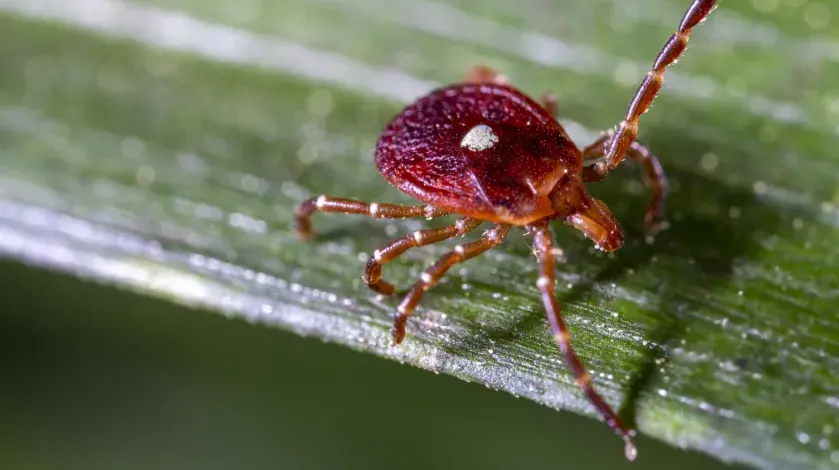
Alpha-gal syndrome is triggered through the bite of the lone star tick, which carries alpha-gal in its saliva and transfers it to humans via the bloodstream.
In some people, the immune system responds by producing anti-bodies to alpha-gal, which can cause an allergic reaction to red meat or other animal products, such as dairy.
After a tick bite, it can take weeks or months for the immune system to produce the antibodies to alpha-gal that cause AGS and the red meat allergy.
What are the symptoms of alpha-gal syndrome?
Symptoms can range from mild to severe and include:
- Hives or an itchy rash
- Swelling of the lips, tongue, throat, or eyelids
- Gastrointestinal issues – heartburn, indigestion, stomach pain, nausea, vomiting, or diarrhea
- Respiratory impacts – coughing, wheezing, difficulty breathing, shortness of breath
- A drop in blood pressure, dizziness, faintness
- Anaphylaxis – a life-threatening condition requiring emergency treatment
Unlike most food allergies, where a reaction occurs within minutes, alpha-gal allergic reactions are delayed, with symptoms occurring 2-10 hours after eating red meat, dairy, or other products containing alpha-gal.
People with AGS may not have an allergic reaction to every product with alpha-gal or may experience different allergy symptoms with each subsequent exposure.
Inconsistent and delayed reactions can make AGS difficult to diagnose, and with symptoms similar to those of other conditions, it can also be misdiagnosed.
How is alpha-gal syndrome diagnosed?
AGS is diagnosed by conducting a physical exam, taking a detailed patient history, and through a specific blood test (alpha-gal sIgE) used to detect immunoglobulin-E antibodies to alpha-gal.
Along with the blood test, information about the patient’s symptoms, their history of tick bites or outdoor exposure, and whether they have experienced delayed allergic reactions after eating red meat can help providers diagnose alpha-gal syndrome.
Is there a treatment for alpha-gal syndrome?
There is no cure for alpha-gal syndrome and no vaccine to prevent it, but studies have shown that in some cases the allergy can diminish or resolve over time if the person avoids future lone star tick bites.
People diagnosed with AGS should work with their healthcare provider or an allergist to manage the allergy by strictly avoiding red meat and other products containing alpha-gal, preventing future tick bites, and seeking emergency care for severe reactions.
What foods and products should people with alpha-gal syndrome avoid?
People diagnosed with alpha-gal syndrome should not consume mammalian meats, including beef, pork, lamb, venison, and rabbit.
According to the DPH, about 30% of those who have AGS also need to avoid mammalian byproducts like dairy (milk, cheese, yogurt and ice cream) that contain alpha-gal.
Other food products that may cause allergic reactions are gelatins made from beef or pork, meat broths, bouillon, and gravy.
Certain medications and vaccines also contain alpha-gal, including gelatin/gel caps, glycerin, magnesium stearate, and bovine extract.
It is important that those with AGS read food and medicine product labels carefully to avoid alpha-gal exposure.
What foods are safe for people with alpha-gal syndrome?
Poultry meats, including chicken, turkey, duck, pheasant, and quail; fish, shellfish, and seafood; eggs, fruits, and vegetables do not contain alpha-gal and are safe for people with AGS to eat.

How can I prevent alpha-gal syndrome?
By preventing tick bites, you can prevent alpha-gal syndrome and other tick-borne illness.
Tick bite prevention is especially important for people with AGS, because additional bites can worsen the condition and cause more severe allergic reactions.
The Massachusetts DPH offers the following tips for preventing tick bites and the illnesses they can cause:
- Use tick repellents on skin and clothing. Products that contain DEET or picaridin may be used on skin. Permethrin products are effective for clothing, shoes, bed nets, and camping gear.
- Cover up to limit your exposed skin by wearing pants and long sleeves. Wearing light-colored clothing can help you spot ticks more easily.
- When walking outdoors, stay in the center of paths and trails away from high grass and leaf litter where ticks are prevalent.
- After returning indoors, check yourself, your kids, and pets for ticks.
- If you find an attached tick, remove it promptly and identify the type if possible. Lone star ticks are distinguishable by a prominent white spot in the middle of the female’s back and smaller white spots on the back of males.
You can learn more about alpha-gal syndrome and tick bite prevention from the CDC and the Massachusetts DPH.
Todd B. Ellerin, MD is Director of Infectious Disease and Vice Chair of Medicine at South Shore Health.
Michael C. Young, MD is Associate Clinical Professor of Pediatrics, Harvard Medical School, Attending Physician, Boston Children's Hospital Allergy Program, Allergy/Immunology consultant for South Shore Hospital and practices at South Shore Allergy & Asthma Specialists in South Weymouth.
Author
Todd Ellerin, MD, Director of Infectious Disease