Atrial Fibrillation: Risk Factors, Symptoms and When to Seek Care
Author

Seth McClennen, MD, FACC, FHRS
Atrial Fibrillation, also known as AFib, is the most common type of irregular heart rhythm (arrhythmia), and affects more than 10 million adults in the U.S.
AFib is a condition that causes an irregular and typically very fast heartbeat, and can increase the risk of blood clots, stroke, heart failure and other cardiac complications.
AFib can happen occasionally, with symptoms that last for minutes or hours, or can be a persistent or permanent condition requiring medical treatment.
What causes AFib?
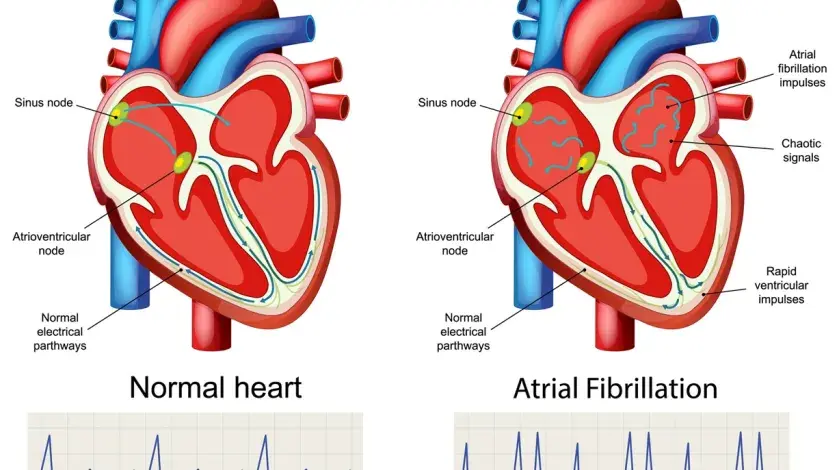
AFib occurs when the atria, the upper chambers of the heart, beat irregularly and out of sync with the ventricles, the heart’s lower chambers. During AFib, the blood does not flow as well and can pool in the heart, leading to blood clots that can cause a stroke.
What are the risk factors for AFib?
Age is the biggest risk factor for AFib. After age 40, the risk of developing AFib increases significantly, and by age 80, one in 10 people have AFib.
Other common risk factors/causes for AFib include:
- High blood pressure
- Heart disease
- Heart failure
- Chronic kidney or lung disease
- Hyperthyroidism
- Obesity
- Diabetes
- Obstructive sleep apnea
- Family history of AFib
Certain lifestyle habits, including drinking too much alcohol, smoking or tobacco use, illegal drug use and taking cold or allergy medicines with stimulants, can also trigger episodes of AFib.
What are the symptoms of AFib?
Common symptoms of AFib include:
- An irregular heartbeat
- Heart palpitations (a fast, fluttering or pounding heart)
- Dizziness/lightheadedness
- Shortness of breath
- Weakness
- Fatigue
- Chest pain
People experiencing any of these symptoms should seek care from a health care provider who can diagnose the condition.
How is AFib diagnosed?
AFib is diagnosed through a medical evaluation and by using an electrocardiogram (EKG), which records the electrical activity of the heart. An EKG can immediately detect an irregular rhythm if the patient is in AFib during the test.
If the irregular heartbeat is intermittent and not captured through an EKG, patients may be asked to wear a monitor at home to record their heart rhythm over a longer period.
Echocardiogram, blood tests and a chest X-ray may also be used to diagnose AFib.
What are the treatments for AFib?
Treatments for AFib include:
- Medications (beta-blockers and calcium channel blockers) to control heart rate and rhythm.
- Anticoagulants/blood thinners to prevent blood clots and stroke.
- Medical procedures (cardioversion and cardiac ablation) to reset the heartbeat.
Making the healthy lifestyle choices listed below can lower your risk of heart disease and may prevent AFib or slow its progression:
- Eat a diet low in salt and saturated fats.
- Limit alcohol use.
- Don’t smoke or use tobacco.
- Exercise regularly.
- Maintain a healthy weight.
- Get sufficient sleep (7-9 hours daily).
- Control high blood pressure, high cholesterol and diabetes.
You can learn more about AFib from the CDC and American Heart Association.
Seth McClennen, MD, FACC, FHRS is the Director of Cardiac Electrophysiology at South Shore Hospital and Instructor in Medicine at Harvard Medical School. Learn more about heart and vascular care at South Shore Health.
Author
Seth McClennen, MD, FACC, FHRS