Patient Safety at South Shore Health
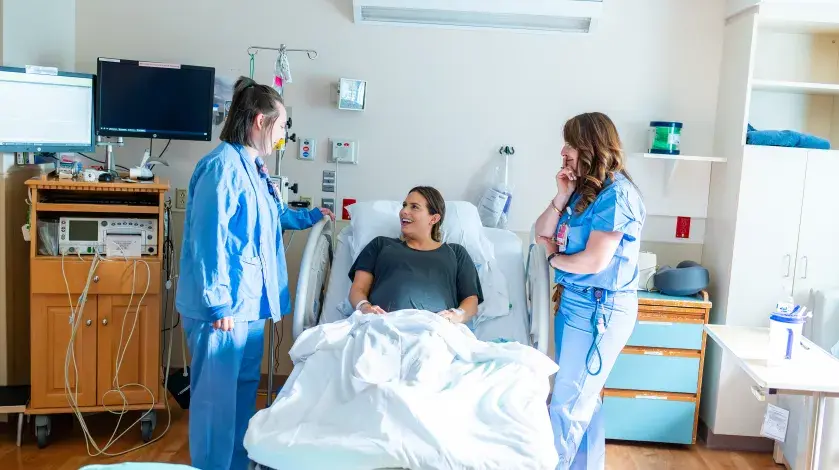
At South Shore Health, your safety and well-being are our top priorities. We are committed to providing high-quality care and working to prevent harm whenever possible. This includes reducing risks such as falls, infections, medication errors, and other health-related complications.
Our Patient Safety and Quality Team closely monitors and reviews safety information across the organization to help improve care and keep patients safe.
Explore the topics below to learn what South Shore Hospital is doing to protect you—and how you and your loved ones can partner with us to support safe care.
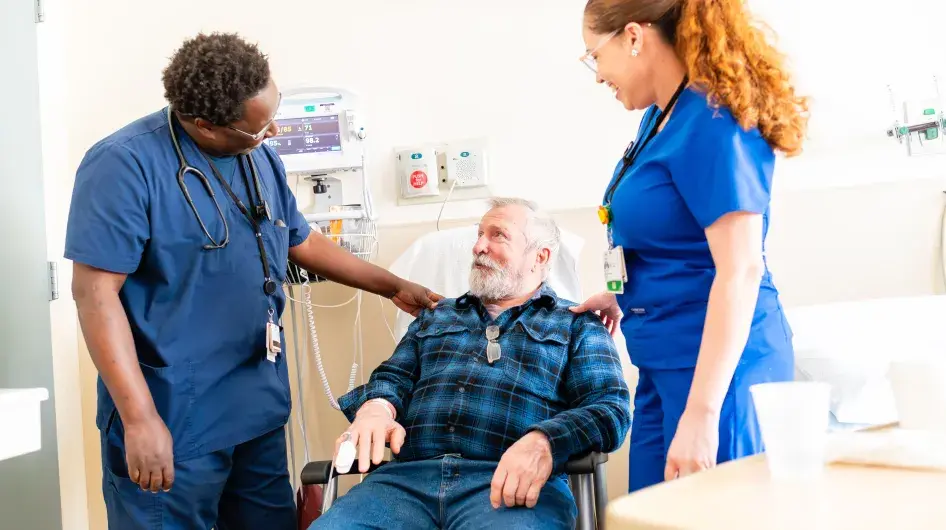
At South Shore Health, your safety is our priority. We work as a team to help prevent falls and keep you safe during your stay.
- We assess your risk. Every patient is evaluated for fall risk when they are admitted so we can understand what support you may need.
- We create a personalized safety plan. Based on your individual needs, your care team will use a program called TIPS (Tailored Interventions for Patient Safety). This may include help when getting up, walking, or using the bathroom—often with a nurse or aide by your side.
- We use equipment to keep you safe. At times, we may use a gait (transfer) belt to support you while walking. This helps our caregivers assist you safely and prevent falls.
We’re here to help! Please call for assistance before getting up. Together, we can prevent falls and keep you safe.
How you can help prevent falls
- Use your call button if you need help getting up. Call, don't fall.
- Wear non-slip socks or shoes when walking.
- If you need assistive devices like a walker or a cane, please let your caregiver know.
- Keep things tidy. Don’t leave bags or cords on the floor.
- Turn on the lights before walking around.
- Move slowly when getting out of bed or a chair.
If you feel dizzy or weak, call for help!
Our Infection Control Department closely monitors hospital acquired infections and maintains strong infection control policies to prevent the spread of infection in the care environment.
Our team follows strict, evidence-based practices to prevent infections, but you and your visitors play an important role too.
What our team does to prevent infections
- Clean our hands before and after every patient interaction.
- Use sterile techniques when placing or caring for lines, catheters, and surgical sites.
- Follow proven practices to prevent infections like surgical site infections (SSIs), urinary tract infections from catheters (CAUTIs), bloodstream infections from central lines (CLABSIs), and other infections, like MRSA and C. difficile.
How you can help prevent infections
- Clean your hands often. Wash with soap and water or use hand sanitizer, especially before eating and after using the bathroom.
- Keep wounds clean and covered. Follow instructions for caring for any incision or wound.
- Limit touching lines and dressings. Avoid handling IVs, catheters, or bandages unless your care team asks you to.
- Encourage visitors to stay home if sick. Friends and family should not visit if they have a fever, cough, or feel unwell.
- Follow isolation precautions. If special precautions are in place (like gowns or gloves), please follow staff instructions to protect yourself and others.
- Speak up about symptoms. Tell your care team if you notice fever, chills, redness, drainage, or new pain.
We encourage you to remind members of the care team to wash their hands before providing care to you or your loved one.
Working together, we can reduce infections and keep everyone safer.
Your safety and your baby’s safety are our top priorities during your hospital stay.
To help keep your baby safe and secure, we use special identification bands for you, your baby, and your support person. Your baby will also wear a small security tag (HUGS® system) to help us ensure they are always protected.
Safe Sleep for Your Baby
We follow safe sleep practices to reduce the risk of harm:
- Babies are placed on their back for every sleep.
- The crib has a firm mattress with a fitted sheet only.
- The head of the bed remains flat.
How You Can Help Keep Your Baby Safe
- Always place your baby on their back to sleep in the bassinet.
- Keep the sleep space clear of loose items, including pillows, blankets, quilts, comforters, stuffed animals, toys, and crib bumpers or pads.
- If swaddling, make sure it is snug and stays below the baby’s arms.
Preventing Newborn Falls
It’s normal to feel tired after delivery. To help prevent accidental falls:
- Have your support person stay awake with you during feedings.
- Keep the lights on or bright enough to stay alert.
- Consider setting a reminder or alarm to help you stay awake.
- Call your nurse if you feel too sleepy to safely hold your baby.
Taking the right medicine the right way is an important part of staying safe and getting better.
In the hospital, nurses use safety checks, like scanning medication barcodes, to make sure you receive the correct medication. Some higher-risk medicines (like blood thinners) are carefully double-checked by two clinicians.
How you can help
- Share what you take. Tell your care team about all medications you use at home, including vitamins and supplements.
- Bring medications to our attention. If you bring medicines from home, let your nurse know so they can be stored safely. Please do not take any medications on your own while in the hospital without first checking with your nurse.
- Speak up. If something doesn’t look right or seems different than usual, please ask.
- Ask questions. It’s always okay to ask, “What is this medicine for?”
- Tell us about allergies. Let your care team know if you have had a reaction to any medication in the past.
- Call for help with alarms. If you hear an IV pump alarm, call your nurse. Do not try to adjust the machine yourself.
- Stay informed after discharge. You will receive an updated medication list when you leave. Keep it in a safe place and bring it to your next doctor’s visit.

You're Part of the Team
If you have questions, please ask a nurse or doctor.
To share feedback on an experience at South Shore Health, see below for information on speaking to our Patient Experience Department.
Patient Safety News

South Shore Health Receives Coveted Magnet® Recognition for Nursing Excellence

South Shore Hospital’s Critical Care Unit Receives Beacon Award for Excellence