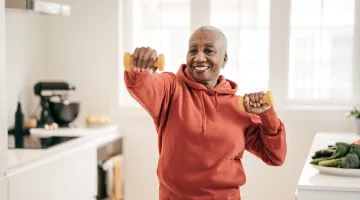
Declining muscle mass and a variety of medical conditions can contribute to a loss of balance as we age, making us more vulnerable to falls and injury. But there are things you can do to maintain and even build better balance. Community Exercise Program Manager Jennifer Logan offers these tips.
Labor Induction at South Shore Hospital: What to Expect
Labor induction can also cause some stress and confusion, particularly if it’s your first pregnancy or first time being induced. To help address some of that confusion, our Labor Team wanted to answer some common questions about the labor induction process.
Heads Up for Safety: Tips for Brain Injury Awareness Month
As part of Brain Injury Awareness Month, our Trauma Program Injury Prevention Team discusses traumatic brain injuries (TBIs) and steps you can take to prevent them.
Common Activities to Reduce Your Risk of Mild Cognitive Impairment (MCI)
If you’re having occasional trouble with your memory or attention span, you may consider it a normal part of aging. While it’s true that aging often brings some cognitive decline, it’s not something you have to accept as part of growing older.
Ready to Play? South Shore Health Urgent Care has Camp and Sports Physicals for Kids
If your child needs a sports or camp physical this spring, South Shore Health Urgent Care has you covered! All six of our offices provide pre-participation physical exams for students in grades K-12 for sports and camp activities, and walk-in care or convenient appointment scheduling is available.
Guidance and Support Before and After a Double Lung Transplant: Andrew’s Pulmonary Rehab Story
As he waited for a double lung transplant, Andrew needed a new pulmonary rehab program when his closed its doors. He found the perfect spot at South Shore Hospital.
First Colonoscopy? Here are the Steps to Prep and What to Expect
Your primary care provider has recommended you have your first colonoscopy. Mandeep Saund, MD answers frequently asked questions and explains why colorectal screening is so important for the prevention and early detection of cancer.
While there has been a decline in colorectal cancer death rates in older adults for several decades, in people under age 50, colorectal cancer death rates have been on the rise since the mid-2000s, increasing by 2.4% annually. Mandeep Saund, MD, discusses risk factors, symptoms, treatments and the importance of screening in the prevention and early detection of colorectal cancer.