Day Treatment Addiction Program: Supporting People Beginning Their Recovery Journey
Author

South Shore Health
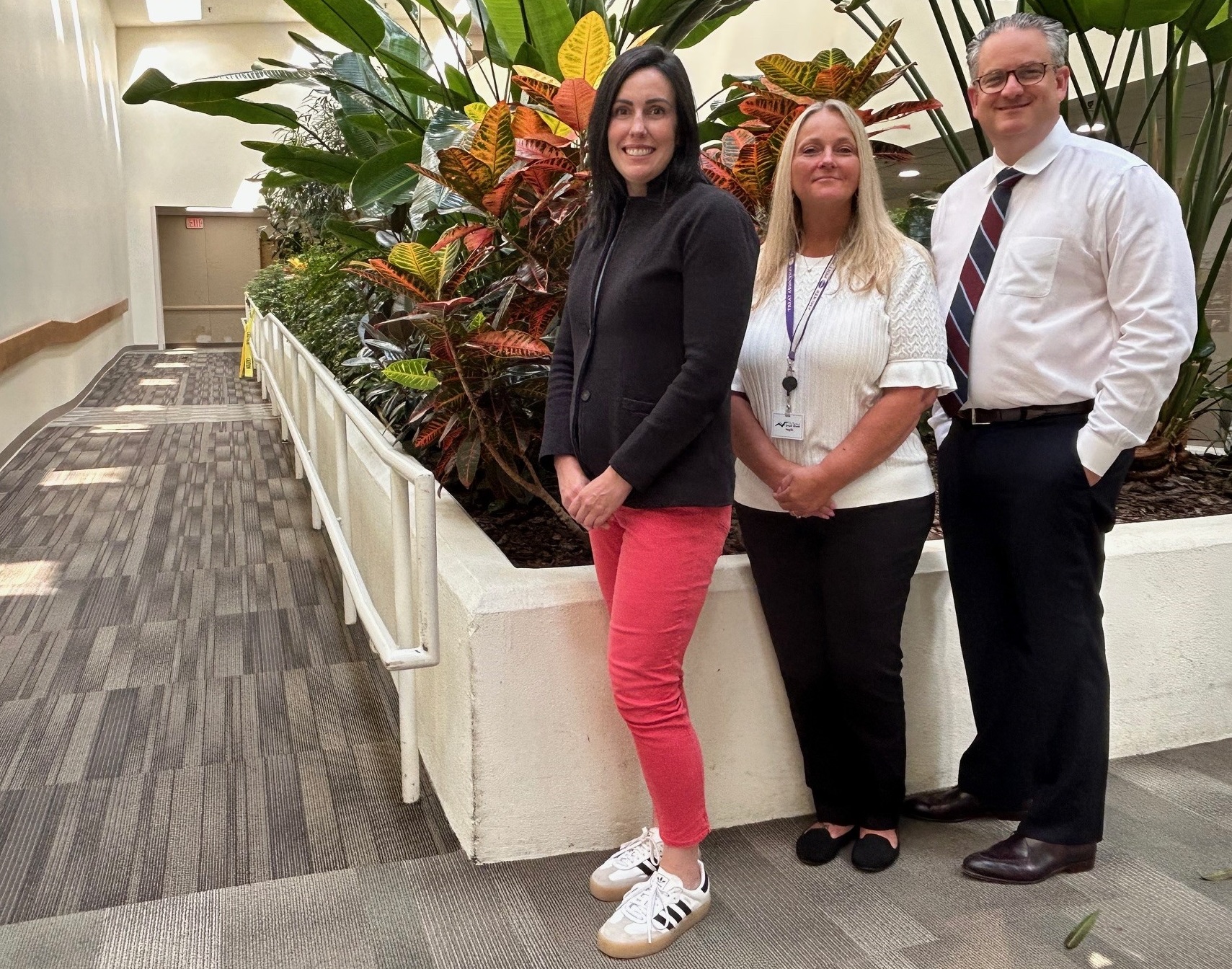
South Shore Health has expanded its addiction medicine services by launching a new Day Treatment program for adults (18 years or older) recovering from a substance use disorder.
Funded through a $1.5 million per year Bureau of Substance Addiction Services grant, along with $350,000 in Opiate Abatement Settlement funds from the Town of Weymouth, the Day Treatment Program is located on the first floor of the South Shore Health Outpatient Center at 780 Main St., Weymouth.
As with other services through the Grayken Center for Treatment at South Shore Health, the Day Treatment program is staffed by counselors from Aspire Health Alliance – a state designated community behavioral health center that collaborates with South Shore Health.
Day Treatment is designed to provide support and stability to patients in the early stages of addiction recovery, said Leslie Gordon, LICSW, Vice President of Crisis and Substance Use Services for Aspire and clinical leader for the Day Treatment program.
“Early recovery is a vulnerable time for people,” she said. “It requires a support network where someone can look forward to skill building, group support and feel less isolated in their recovery.”
Day Treatment is a structured, individual and group therapy-focused outpatient program that helps people identify coping skills and develop effective communication and relationship building skills they need to achieve and maintain long-term sobriety, Gordon said.
“These programs are really helpful in providing a daily support structure for people in recovery,” said Todd Kerensky, MD, Medical Director of Addiction Medicine at the Grayken Center.
Participants attend the program three hours per day for a minimum of three days per week, and referrals come through the Bridge Program, Kerensky said. Counselors Janaine Dos Santos and Thomas Taborelli lead the therapy sessions.

As part of the intake process, Bridge Program clinicians assess patients and determine if Day Treatment is the appropriate level of care for them. Some patients may require medications for alcohol or opioid use disorders before starting with the program, Kerensky said.
“This is not for patients still using substances or needing a detox,” he said. “This is really designed for people who need additional day structure, beyond outpatient visits and includes a heavy counseling component.”
During treatment, participants attend group, family, and individual therapy sessions that help reinforce healthy coping skills, promote sobriety, and allow them to maintain daily responsibilities.
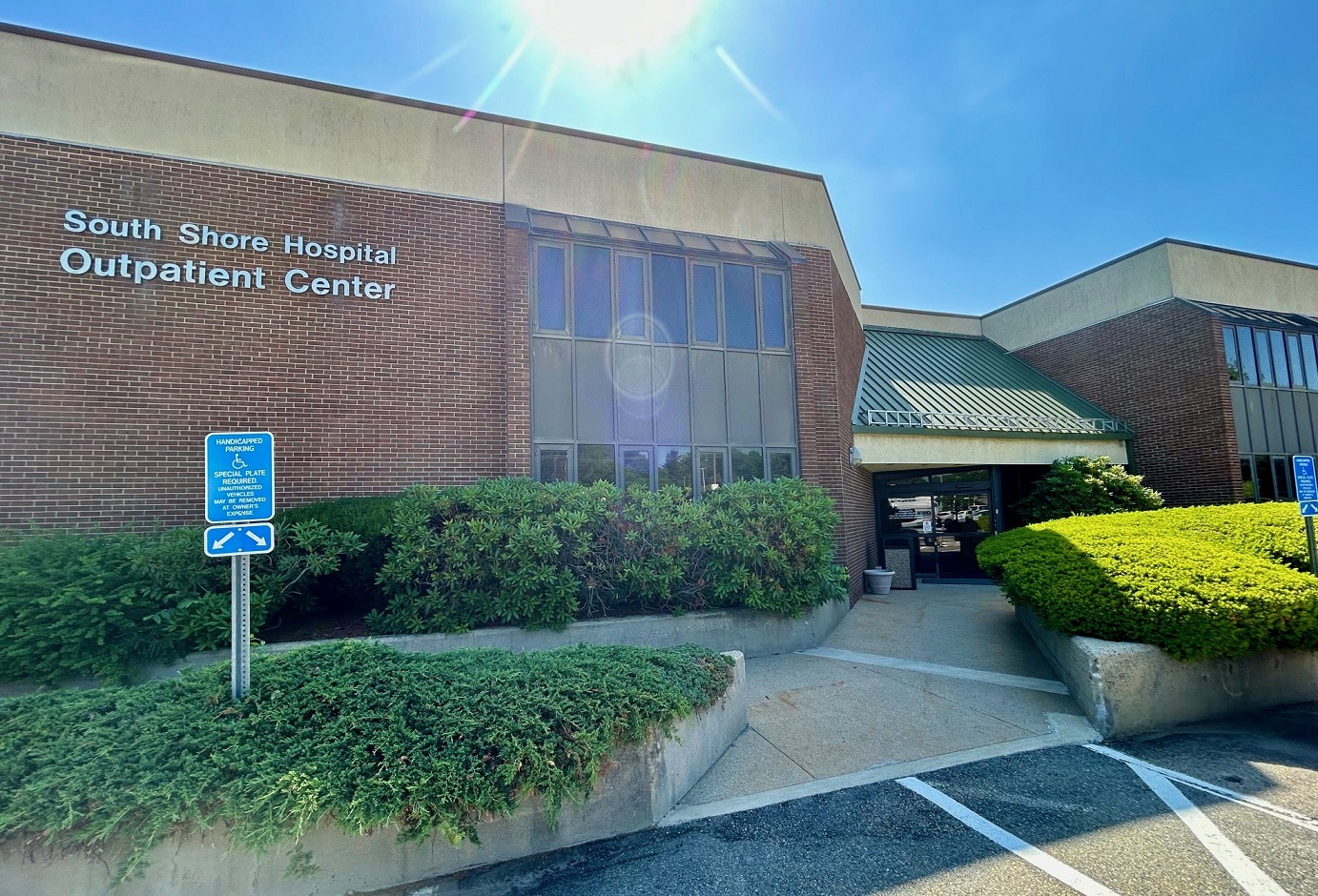
“Day Treatment is a higher level of care,” Kerensky said. “It’s an intermediary between an inpatient level of care and an outpatient program.”
The new program also provides an opportunity to offer addiction treatment to a segment of the community the Grayken Center is not currently serving, Kerensky said.
Connecting people to additional support resources, such as Alcoholics Anonymous and Narcotics Anonymous as they continue their recovery, is another benefit of the program, Gordon said.
Through our referral network, there is access to longer-term therapeutic support and medication management to sustain sobriety, she said.
“There is a huge need for programs like this, especially on the South Shore,” Taborelli said.
“Through the Day Treatment program, we can offer help and hope to people in recovery,” Dos Santos added.
Learn more about the Day Treatment Program and other services at the Grayken Center for Treatment at South Shore Health.
Author
South Shore Health