Monkeypox

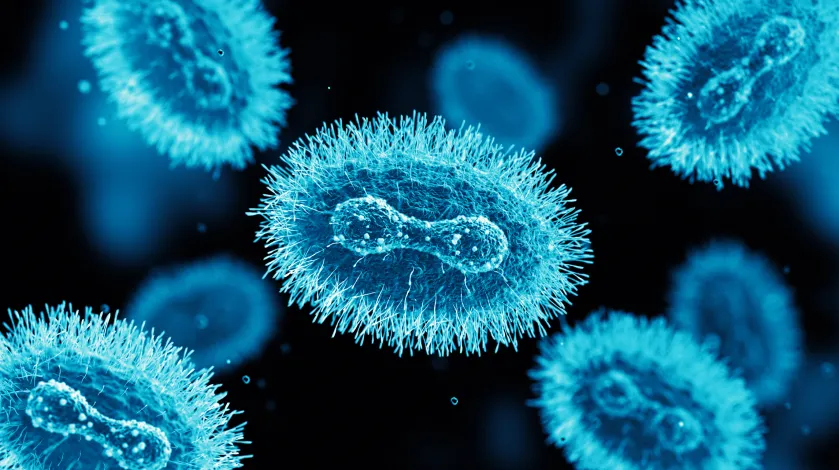
An artistic rendering of the monkeypox virus under a microscope featuring light blue cells on a dark background.

Stay Informed

For the latest information on monkeypox, visit:

CDC

WHO

MASS.GOV

Monkeypox, a disease caused by infection with the monkeypox virus, has made headlines in recent weeks due to an outbreak that started in the United Kingdom and has since spread around the globe.

The United States Department of Health and Human Services has declared the current monkeypox outbreak to be a Public Health Emergency.

With anxiety already high due to the COVID-19 pandemic, news of another viral outbreak has caused a great deal of concern among the general public.

As part of our efforts to keep our community informed and healthy, this page features answers to frequently asked monkeypox questions and links to additional resources on monkeypox testing, vaccination, and treatment.

Common monkeypox questions

Monkeypox is a disease caused by infection with the monkeypox virus. 

The monkeypox virus is what’s known as a viral zoonosis, or a virus originally transmitted from animals to humans.

The monkeypox virus belongs to the same virus family as the virus that causes smallpox.

No. Unlike the novel coronavirus that causes COVID-19, the monkeypox virus has been observed and studied since the 1950s.

A human case of monkeypox was first recorded in 1970, and there have been occasional monkeypox outbreaks since then.

While the name leads many people to believe the virus comes from monkeys, the true source of the monkeypox virus remains unknown.

Monkeypox is in the news due to an outbreak that began in the United Kingdom in May 2022 and has since spread around the globe.

As of early August, the current outbreak has led to more than 30,000 confirmed cases globally, with thousands of confirmed cases in the United States - including more than 150 in Massachusetts.

The most distinctive feature of monkeypox infection is a rash, often located on or near the genitals, anus, hands, feet, chest, face, or mouth.

The rash often appears pimple- or blister-like at first, and can be painful or itchy. As the rash heals, it progresses through several stages, often scabbing over before healing.

Todd Ellerin, MD, Director of Infectious Disease, recently discussed the monkeypox rash with WCVB - watch now.

Other common monkeypox symptoms include fever, chills, swollen lymph nodes, exhaustion, muscle/back aches, sore throat, nasal congestion, and cough.

It’s important to note that symptoms will differ from person to person: some may experience flu-like symptoms then a rash, some may only have a rash, and some may have a rash first followed by other symptoms.

It’s important to note that while monkeypox is a serious public health concern, it doesn’t spread as easily as the virus that causes COVID-19.

Monkeypox is most often spread through close, personal contact between an infected individual and another person.

In most cases, this contact is skin-to-skin contact with the rash, scabs, or bodily fluid of an infected individual during sex, hugging, massage, kissing, and other face-to-face contact.

In other cases, transmission can occur through contact with objects, clothing, bedding, towels, or other surfaces used by an infected individual. 

Monkeypox can also be spread through direct contact with respiratory secretions (i.e. fluids from the lungs, mouth, nose, or throat), though research continues as to how often this method of transmission occurs.

It’s not clear at this time whether or not monkeypox can be spread by asymptomatic individuals.

If you think you may have monkeypox, please do not report to the Emergency Department -  the Emergency Department should be reserved for emergency treatment only.

Patients who are experiencing symptoms consistent with monkeypox or who think they may have been exposed to monkeypox should contact their primary care provider for further guidance.

Patients without a primary care provider should visit their nearest walk-in urgent care location or community health clinic for evaluation and testing.

Monkeypox is rarely fatal. 

Typically, illness from monkeypox infection resolves in 2-4 weeks.

Monkeypox Treatment & Vaccination

There are currently no treatments specifically designed for monkeypox.

However, monkeypox and smallpox share some similarities; in some cases, antivirals and vaccines for smallpox may be used for monkeypox as well.

Antivirals like tecovirimat (also known as TPOXX) may be given to patients who are at higher risk of severe illness - patients should speak with their primary care provider regarding antiviral treatment.

Due to limited supply, vaccination against monkeypox isn’t recommended for the general public at this time. 

Vaccine supply is prioritized for individuals at greatest risk of exposure. If an individual believes they qualify for a monkeypox vaccine, they should contact their care provider or one of the state’s provider locations.

Please visit the state website to find their nearest vaccination clinic. 

For more information on current eligibility requirements, please visit the Massachusetts state website.

Resources & Education

As the situation surrounding monkeypox continues to evolve, it's important to stay up-to-date with current recommendations and guidelines.

For the latest information on monkeypox, visit these trusted resources:

News & Updates

Child being given a flu shot by a nurse
Blog

Vaccines Arm Us for Respiratory Virus Season

Vaccines Arm Us for Respiratory Virus Season

Photo of Alan McKim
News

Alan McKim, Founder of Clean Harbors, Honored with NEAHP’s Distinguished Service to Philanthropy Award
Alan McKim, Founder of Clean Harbors, Honored with NEAHP’s Distinguished Service to Philanthropy Award

A photo of several vials of COVID-19 vaccine
Blog

COVID Cases Are Rising: Is a Winter Wave on the Way?

COVID Cases Are Rising: Is a Winter Wave on the Way?