A Message from Our Colleagues About the Moonlight and Miracles Gala
We are thrilled to announce that the 22nd annual Moonlight & Miracles Gala will again benefit South Shore Health's emergency services. This includes...
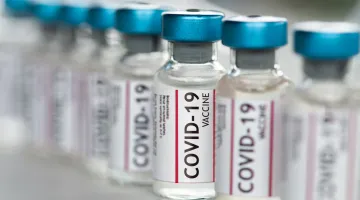
After five summers with us, COVID-19 has settled in. And it’s become a bit of a FLiRT. Todd Ellerin, MD shares the latest on COVID's new FLiRT variants and what we can expect with the virus heading into fall.
What You Need to Know about Tick and Mosquito-Borne Illness
Worried about the CDC report that found diseases spread by ticks and mosquitoes are on the rise? South Shore Health's Director of Infectious Disease has tips to stay healthy and enjoy summer in New England.
How I Survived a Heart Attack on Safari and Thrived Through Cardiac Rehab
Nine months after suffering a near-fatal heart attack while on safari in South Africa, Jane Goff is thriving and traveling again thanks to South Shore Health’s Cardiac Rehabilitation program. Jane shares the story of her harrowing medical emergency and remarkable comeback.
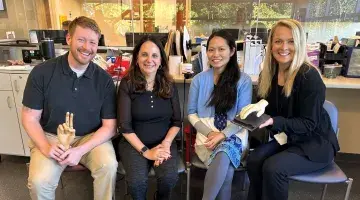
This month, we're proud to celebrate South Shore Medical Center's Anita Uhlman as the recipient of our Colleague Spotlight Award! Learn more about what led to her nomination.
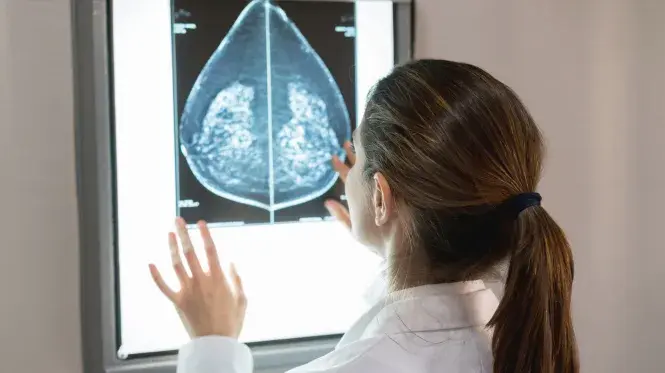
Four Reasons to Get Your MRI at South Shore Health
If you’ve ever had an injury and needed advanced imaging to diagnose the cause of the pain in your knee, hip, shoulder or elsewhere, you know there is a drawn-out process to follow before you can have that achy joint scanned. South Shore Health is making it easier to get an MRI.
Declining muscle mass and a variety of medical conditions can contribute to a loss of balance as we age, making us more vulnerable to falls and injury. But there are things you can do to maintain and even build better balance. Community Exercise Program Manager Jennifer Logan offers these tips.
Water and Swimming Safety: Tips to Prevent Drowning
On average, there are ten fatal drownings per day in the United States. Drownings happen in seconds and are often silent. Drowning is a leading cause of death in children, particularly between the ages of 1 and 9 years old. It’s also a leading cause of death in adolescents, who are more likely to overestimate their skills and underestimate a dangerous situation.