Testicular Cancer Awareness: Self-Exams Key for Early Detection, Better Outcomes
While it is less common than other cancers, testicular cancer still affects 1 of every 250 men during their lifetime. The American Cancer Society estimates 9,810 new testicular cancer cases will be diagnosed this year and about 630 people will die from the disease.
Managing Diabetes: What You Can Do to Stay in Control of Your Health
South Shore Medical Center’s diabetes specialists in endocrinology, diabetes education, nutrition, and podiatry, along with your primary care provider, work together to create a care plan and explain how medications, dietary guidelines, and self-management practices can help you manage the disease and stay in control of your health.
What You Need to Know about COVID-19 Vaccine Booster Shots
“With the new omicron variant, this is the time to encourage people to get their vaccines," said South Shore Health infectious diseases expert Simone Wildes, MD. "And if you’re eligible for a booster, I would encourage that as well,” she said. “It’s not just to protect yourself, but also those around you who need extra protection.”
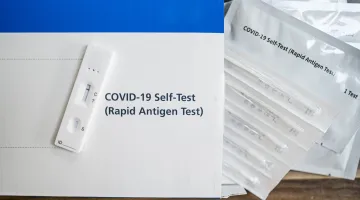
Questions about testing? Quarantine? Isolation? What to do after a positive result? Our team tries to provide answers to the most common COVID-19 questions.
Finding More Than Fitness Through Community Exercise Classes
Terri Raymond quit the gym during the COVID-19 pandemic, but found a whole new workout routine and much more through South Shore Health's Community Exercise Programs.
Using Games and Toys to Help Your Child’s Language Development
Children love toys and play - but playing can also be beneficial to your child's development! Learn more about how toys and games can help with your child's speech.
Three Realistic Changes You Can Make to Take Control of Your Health
You don't need a fad diet, miracle cleanse, or perfect workout routine to live a healthier lifestyle! Dr. Eagles explains what three things you can do to take control of your health and wellness.
Five Questions on Lung Cancer Prevention, Answered
Because there are often no symptoms in early-stage lung cancer, people who are at high risk – including those who smoke or used to smoke – should be screened for lung cancer. Screening is crucial for early detection, better treatment options and more favorable outcomes for patients.